Health & wellness
Low-Acid Foods for Sensitive Digestion
If you experience occasional acid reflux, heartburn, or throat irritation after meals, you may wonder whether choosing lower-acid foods could make eating more comfortable. While no single diet works for everyone, many people find that certain foods are less likely to trigger digestive discomfort than others.
It's important to remember that reflux symptoms are influenced by more than just the acidity of food. Portion size, meal timing, individual food sensitivities, and overall eating habits can all play a role. A food that works well for one person may not work as well for someone else.
This guide explains what low-acid foods are, highlights foods that may be gentler on sensitive digestion, and shares practical ideas for building balanced meals.
Key Takeaways
Food acidity is one possible factor in reflux, but meal size, timing, and personal triggers also matter.
- Low-acid foods may be easier for some people with sensitive digestion to tolerate.
- Individual food triggers vary, so keeping a food and symptom diary can be helpful.
- Meal timing, portion sizes, and eating habits often matter as much as food choices.
- A balanced eating pattern is usually more sustainable than eliminating large numbers of foods.
Table of Contents
Explore foods, meals, and practical adjustments without following a rigid exclusion list.
- What Are Low-Acid Foods?
- Can Low-Acid Foods Help With Sensitive Digestion?
- Best Low-Acid Foods to Include
- Low-Acid Foods at a Glance
- Foods That Some People Choose to Limit
- Simple Low-Acid Meal Ideas
- Other Habits That May Support Digestive Comfort
- Where Gut Health Fits In
- Warning Signs
- Bottom Line
- Frequently Asked Questions
What Are Low-Acid Foods?
Low-acid foods are foods that naturally have a higher pH than highly acidic foods such as citrus fruits or tomatoes. In general, foods with lower acidity tend to be less irritating for some people who experience occasional reflux or sensitive digestion.
However, the acidity of a food is only one part of the picture. Some foods that are not especially acidic may still contribute to digestive discomfort by relaxing the lower esophageal sphincter (LES), slowing stomach emptying, or increasing stomach pressure after meals. Likewise, some mildly acidic foods are well tolerated by many people.
Look at meal size, timing, and food choices together rather than focusing exclusively on food pH.
Instead of thinking in terms of "good" and "bad" foods, it is often more helpful to identify which foods consistently agree with your own digestive system. This approach allows you to maintain a varied, nutritious diet while avoiding unnecessary restrictions.
Can Low-Acid Foods Help With Sensitive Digestion?
Dietary changes can help reduce occasional reflux symptoms. Make one change at a time and track your response to identify what works for you.
Choosing foods that are naturally gentle on the digestive system may help reduce symptom triggers for some people. These foods are often easier to digest, lower in fat, and less likely to irritate the esophagus after reflux occurs.
It's also important to recognize that reflux symptoms are influenced by lifestyle factors beyond food selection. For example, eating very large meals or lying down shortly after eating may increase the likelihood of stomach contents moving back into the esophagus, regardless of whether the meal itself contains acidic foods.
Keeping a simple food and symptom diary for several weeks can help identify patterns. Recording what you eat, when symptoms occur, meal size, and the time of day can provide useful information that helps you make more personalised dietary choices.
Many people also benefit from focusing on overall eating habits, including:
- Eating smaller, more frequent meals instead of very large portions.
- Eating slowly and chewing food thoroughly.
- Avoiding late-night meals whenever possible.
- Remaining upright after eating instead of lying down immediately.
- Maintaining a healthy body weight where appropriate.
These strategies may complement a lower-acid eating pattern and support overall digestive comfort. If you'd like to learn more about the relationship between gut health and reflux symptoms, see our guide on What Is Silent Reflux? Symptoms, Triggers, and Gut Health Support.
Best Low-Acid Foods to Include
While there is no universal "reflux diet," many foods are naturally gentle on the digestive system and are commonly included in eating plans for people with sensitive digestion. These foods are generally nutritious, easy to prepare, and versatile enough to build satisfying meals.
Remember that personal tolerance varies. Even foods that are considered low in acid may not agree with everyone, so use the following list as a starting point rather than a strict set of rules.
1. Fruits That Are Often Well Tolerated
Fruit provides vitamins, minerals, fiber, and antioxidants that support overall health. Although citrus fruits are naturally acidic, many other fruits are lower in acid and may be easier on sensitive digestion.
- Bananas
- Melons (cantaloupe, honeydew, watermelon)
- Pears
- Apples (many people tolerate sweeter varieties better than tart ones)
- Papaya
Fresh fruit is generally preferable to fruit juices, which can be more acidic and easier to consume in larger quantities. Eating whole fruit also provides fiber, which supports healthy digestion.
2. Non-Starchy Vegetables
Most vegetables are naturally low in fat and relatively low in acid, making them an excellent foundation for meals. They also provide fiber and beneficial plant compounds that support overall digestive health.
- Leafy greens
- Broccoli
- Cauliflower
- Carrots
- Cucumber
- Zucchini
- Green beans
- Asparagus
- Sweet potatoes
- Winter squash
Steaming, roasting, or lightly sautéing vegetables may be easier to tolerate than heavily frying them.
3. Whole Grains
Whole grains provide complex carbohydrates and fiber that can help create balanced meals without relying on heavily processed foods.
- Oatmeal
- Brown rice
- Quinoa
- Whole-grain bread (if well tolerated)
- Whole-grain pasta
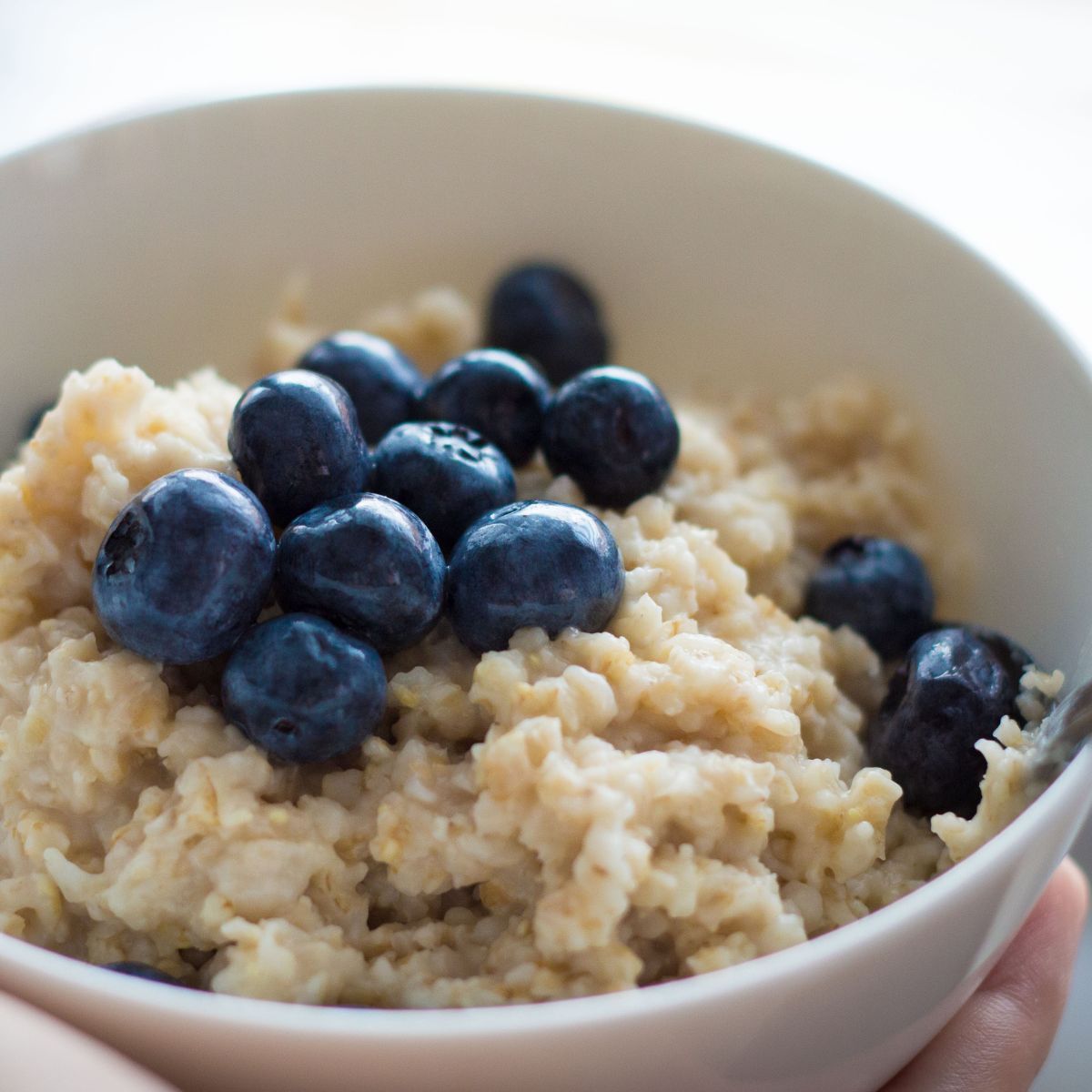
Oatmeal is especially popular among people with sensitive digestion because it is filling, versatile, and easy to pair with low-acid fruits like bananas or pears.
4. Lean Protein Sources
Protein is an important part of every meal. Lean protein choices are generally lower in fat than heavily processed or fried meats, which may make them easier for some people to digest.
- Skinless chicken breast
- Turkey
- White fish
- Salmon
- Tofu
- Beans and lentils (if individually tolerated)
- Eggs (tolerance varies)
Grilling, baking, steaming, or poaching proteins is usually preferable to deep frying when digestive comfort is the goal.
5. Healthy Fats in Moderate Portions
Healthy fats are an important part of a balanced diet, but very large amounts of fat at one meal may trigger symptoms for some individuals. Moderate portions are often better tolerated.
- Extra-virgin olive oil
- Avocado
- Almonds
- Walnuts
- Chia seeds
- Flaxseed
Rather than avoiding healthy fats altogether, many people find it more helpful to spread them throughout the day instead of eating large quantities in one sitting.
6. Dairy and Dairy Alternatives
Dairy tolerance varies considerably from person to person. Some people find low-fat dairy products comfortable, while others prefer plant-based alternatives.
Plain milk, lactose-free milk, and many unsweetened fortified plant drinks are generally less acidic than yogurt or kefir. Compare ingredient lists and choose what you tolerate.
- Plain milk or lactose-free milk (if tolerated)
- Fortified unsweetened oat drink
- Unsweetened almond drink
Yogurt and kefir are fermented and acidic even when low in fat. You do not need to avoid them if they cause no symptoms, but they should not be described as inherently low-acid foods.
If dairy consistently triggers symptoms, compare smaller portions or a suitable alternative while keeping calcium and protein in your diet.
Low-Acid Foods at a Glance
These foods are generally lower in acid than citrus fruits or tomatoes, but personal reflux triggers and portion size still matter.
| Food Group | Examples | Why They May Be Helpful |
|---|---|---|
| Fruit | Bananas, melons, pears, papaya | Generally lower in acid than citrus fruits |
| Vegetables | Broccoli, carrots, leafy greens, cucumber | Nutrient-rich and naturally low in fat |
| Whole Grains | Oats, brown rice, quinoa | Provide fiber and steady energy |
| Lean Protein | Chicken, turkey, fish, tofu | Supports balanced meals without excess fat |
| Healthy Fats | Olive oil, avocado, nuts, seeds | Support satiety when eaten in moderation |
| Dairy Options | Low-fat yogurt, oat milk, almond milk | Individual tolerance varies |
Foods That Some People Choose to Limit
Just as there is no single list of foods that everyone should eat, there is also no universal list of foods that everyone should avoid. However, certain foods are commonly reported to trigger reflux symptoms in some individuals.
Rather than eliminating all of these foods immediately, consider reducing one at a time while monitoring your symptoms. This approach makes it easier to identify your own personal triggers.
- Citrus fruits and citrus juices
- Tomatoes and tomato-based sauces
- Spicy foods
- Chocolate
- Coffee and other caffeinated drinks
- Carbonated beverages
- Peppermint
- Alcohol
- Highly processed or fried foods
- Very high-fat meals
Keep foods you tolerate in your diet. Removing large food groups unnecessarily can make it harder to meet your nutritional needs.
Simple Low-Acid Meal Ideas
Creating meals around low-acid foods doesn't have to be complicated. Focusing on simple combinations of lean protein, whole grains, vegetables, and lower-acid fruits can help you build satisfying meals while keeping variety in your diet.
| Meal | Example |
|---|---|
| Breakfast | Oatmeal topped with sliced banana and ground flaxseed |
| Morning Snack | Pear with a small handful of almonds |
| Lunch | Grilled chicken, brown rice, and steamed broccoli |
| Afternoon Snack | Cucumber slices with hummus or plain yogurt (if tolerated) |
| Dinner | Baked salmon with roasted sweet potato and green beans |
| Earlier snack (at least three hours before bed) | Pear or crackers with water, if hungry |
These examples are intended as inspiration rather than strict meal plans. Feel free to substitute foods that fit your preferences and individual tolerance while maintaining a balanced eating pattern.
Other Habits That May Support Digestive Comfort
Food choices are only one part of managing sensitive digestion. Everyday habits can also influence how comfortably you digest meals. Small, consistent changes are often easier to maintain than highly restrictive diets.
- Eat smaller meals throughout the day instead of very large portions.
- Slow down and chew food thoroughly.
- Finish eating at least two to three hours before lying down or going to bed.
- Stay hydrated by drinking water regularly throughout the day.
- If appropriate, work toward maintaining a healthy body weight, as excess abdominal pressure may contribute to reflux symptoms for some people.
- Keep track of foods, meal timing, and symptoms to identify personal patterns.
Rather than aiming for perfection, focus on building eating habits that you can comfortably maintain over time.
Where Gut Health Fits In
Probiotics have been studied for a number of digestive outcomes, but research does not establish that taking a probiotic treats reflux. Food timing and personal triggers are more directly relevant to the choices discussed in this guide.
If you'd like to learn more about the current research, read our article Are Probiotics Effective for Acid Reflux?. You may also enjoy 16 Science-Based Health Benefits of Probiotics, which reviews research on particular probiotic strains and digestive outcomes.
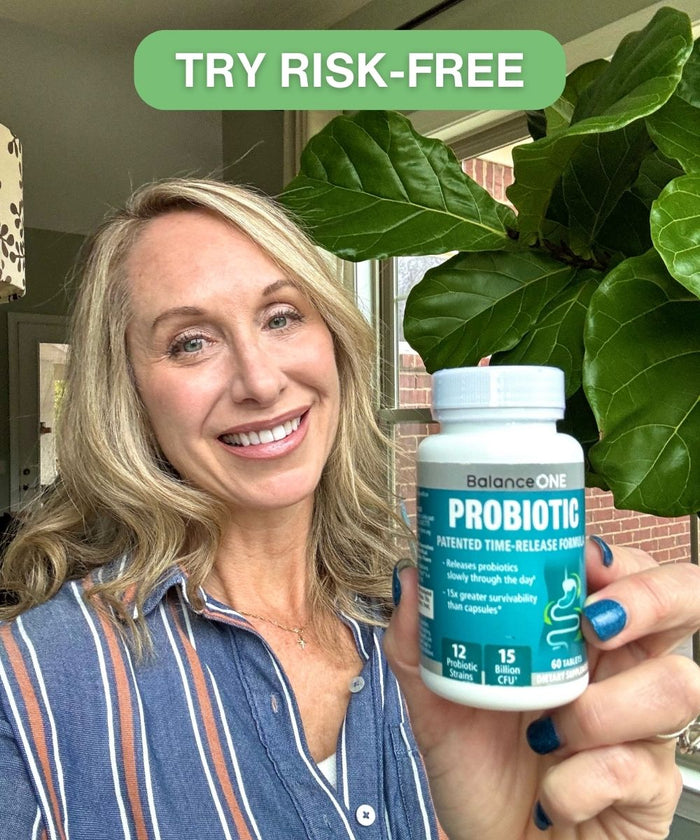
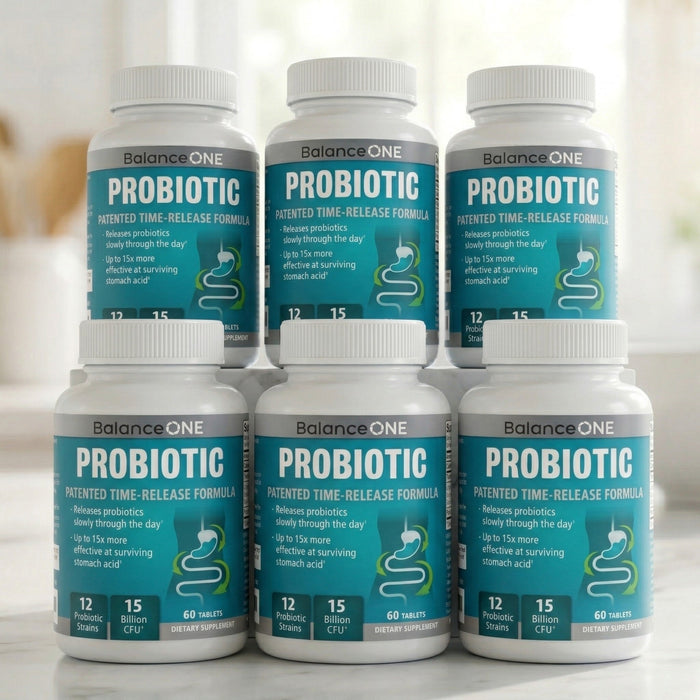
Balance ONE Probiotic contains 12 probiotic strains in a time-release tablet designed to release bacteria gradually over several hours.
For individuals looking to support everyday digestive comfort, RevivaGut combines ingredients including L-glutamine, DGL, slippery elm, marshmallow root, aloe vera, zinc carnosine, and other nutrients that support gut lining integrity and a healthy gut barrier.
Bottom Line
Low-acid foods can be a helpful starting point for people with sensitive digestion, but there is no single diet that works for everyone. The most effective approach is often one that combines balanced nutrition, mindful eating habits, and careful attention to your own symptom patterns.
Rather than eliminating large groups of foods, aim to identify your personal triggers while continuing to enjoy a varied, nutritious diet.
Frequently Asked Questions
These answers explain how lower-acid foods fit into a flexible eating plan.
Are bananas considered low-acid foods?
Yes. Bananas are generally considered one of the lower-acid fruits and are commonly included in eating plans for people with sensitive digestion.
How can low-acid foods help with reflux?
Low-acid foods can reduce one source of irritation for some people. Meal size, timing, and personal food triggers also matter.
Is oatmeal good for sensitive digestion?
Many people tolerate oatmeal well because it is high in soluble fiber and can be paired with lower-acid fruits such as bananas or pears. Individual tolerance still varies.
Do I need to avoid tomatoes forever?
Not necessarily. Tomatoes trigger symptoms for some people but not others. Keeping a food diary can help determine whether they are a personal trigger.
What drinks are usually easier on sensitive digestion?
Water and many non-caffeinated herbal teas are often well tolerated. Coffee, carbonated beverages, and citrus juices are more commonly reported as symptom triggers, although individual responses differ.
Warning Signs
Call 911 or your local emergency number for new or unexplained chest pain lasting more than a few minutes, or chest pain with breathlessness, sweating, faintness, or pain spreading to the arm, jaw, or back. Vomiting blood or passing black, tarry stools requires emergency care.
Speak with a healthcare professional for difficulty or pain when swallowing, unexplained weight loss, or frequent symptoms that persist despite dietary changes.