Health & wellness
Silymarin: The Active Compound Behind Milk Thistle
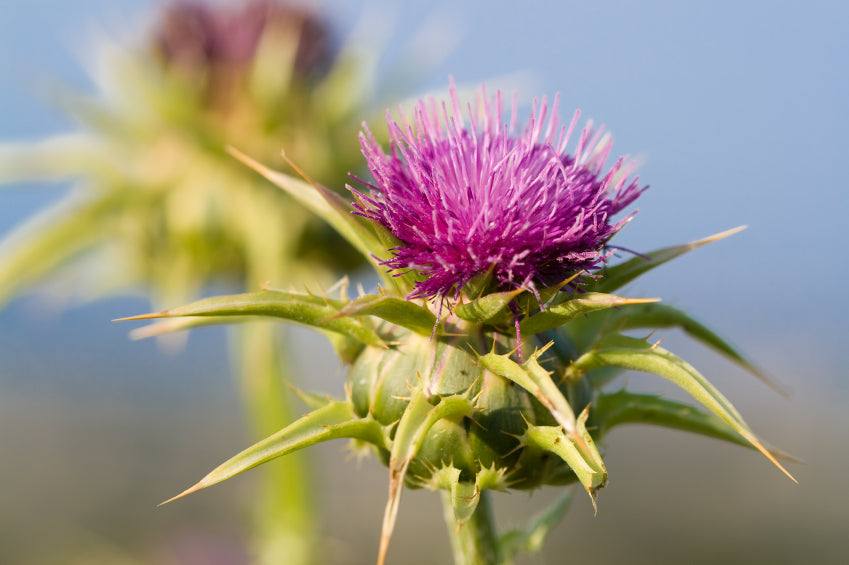
Milk thistle has been used for centuries as a traditional herbal remedy, but modern research has focused on one particular component of the plant: silymarin. While many people use the terms "milk thistle" and "silymarin" interchangeably, they are not exactly the same thing. Understanding the difference can help you make more informed decisions when choosing a supplement and interpreting research findings.
Silymarin is a mixture of compounds extracted from milk thistle seeds. Researchers have investigated its activity in laboratory studies and tested standardized extracts in clinical trials. Most clinical studies examining milk thistle actually investigate standardized silymarin extracts rather than the whole herb.
In this guide, we'll explain what silymarin is, how it differs from milk thistle, why standardized extracts matter, what current research says about its role in liver wellness, and what to look for when selecting a quality supplement.
Key Takeaways
These distinctions are useful when reading milk thistle supplement labels and research.
- Silymarin is the primary group of active compounds extracted from milk thistle seeds.
- Most scientific research uses standardized silymarin extracts rather than whole milk thistle.
- Silymarin may help support antioxidant defenses and normal liver function.
- The percentage of standardized silymarin is often more important than the total amount of milk thistle listed on the label.
- Quality, transparency, and third-party testing are important considerations when choosing a supplement.
Table of Contents
Use the sections below to compare the extract, evidence, and safety information.
- What Is Silymarin?
- Milk Thistle vs. Silymarin: What's the Difference?
- What Do Laboratory Studies Show About Silymarin?
- Why Standardization Matters
- What to Look For in a Quality Supplement
- What Does the Research Say?
- Food Sources vs. Supplements
- Where This Fits in Balance ONE Formulas
- Safety and Precautions
- The Bottom Line
- Frequently Asked Questions
What Is Silymarin?
Silymarin is a naturally occurring mixture of plant compounds found primarily in the seeds of Silybum marianum, better known as milk thistle. Rather than being a single ingredient, silymarin is made up of several closely related compounds called flavonolignans.
The major flavonolignans include:
- Silybin (also called silibinin)
- Isosilybin
- Silychristin
- Silydianin
Among these compounds, silybin is generally considered the most biologically active and has been the focus of much of the published research. Together, these compounds contribute to the antioxidant activity associated with standardized milk thistle extracts.
Because the amount of silymarin naturally present in milk thistle can vary depending on growing conditions and processing methods, many supplements use standardized extracts to provide a more consistent amount of the active compounds.
Milk Thistle vs. Silymarin: What's the Difference?
Although the two terms are often used interchangeably, milk thistle and silymarin are not identical.
| Milk Thistle | Silymarin |
|---|---|
| The entire medicinal plant | A concentrated extract from milk thistle seeds |
| Contains many naturally occurring plant compounds | Contains a standardized mixture of flavonolignans |
| Active compound levels naturally vary | Provides a more consistent concentration of active compounds |
| Often used in traditional herbal preparations | Most clinical research focuses on standardized extracts |
Think of milk thistle as the raw botanical source and silymarin as the concentrated group of compounds that researchers believe account for many of the plant's studied properties.
This distinction is important because most published clinical studies evaluate supplements standardized to a specific percentage of silymarin rather than powdered milk thistle alone. When comparing products, looking only at the amount of milk thistle listed on the label may not tell the whole story.
If you'd like a broader introduction to the herb itself, see our guide on 5 Amazing Health Benefits of Milk Thistle.
What Do Laboratory Studies Show About Silymarin?
Laboratory and animal studies have examined silymarin's antioxidant activity and its effects on pathways involved in inflammation and cell injury. These experiments help researchers identify possible mechanisms, but they do not establish that swallowing a milk thistle supplement improves liver function in people.
Human clinical trials provide the more relevant test. For liver diseases, the results have been inconsistent or too limited to establish a reliable benefit, as summarized by the National Center for Complementary and Integrative Health. The next section explains the human findings.
Why Standardization Matters
Not every milk thistle supplement is created equal. One of the biggest differences between products is whether they contain a standardized silymarin extract.
Standardization means that the manufacturer processes the extract to consistently contain a specified amount of the key active compounds. This allows researchers to study products with greater consistency and helps consumers compare supplements more accurately.
Without standardization, two products may contain the same amount of milk thistle by weight while delivering very different amounts of silymarin.
Compare both the amount of milk thistle and the percentage of standardized silymarin listed on the label.
What to Look For in a Quality Supplement
- A standardized silymarin extract.
- Transparent ingredient labeling.
- Third-party testing for purity and quality.
- A reputable manufacturer with clear quality standards.
- Clearly identified serving size and ingredient amounts.
What Does the Research Say?
Laboratory findings help explain interest in silymarin, but human trials are the better test of whether a supplement improves a health outcome. NCCIH's review of milk thistle concludes that studies of liver conditions have been inconsistent or too limited to establish a benefit.
For example, a 48-week randomized trial in adults with nonalcoholic steatohepatitis did not find a significant improvement in its main liver-biopsy outcome with silymarin compared with placebo. The study also had important limitations, including problems with the original biopsy eligibility assessments.
Food Sources vs. Supplements
Silymarin comes from milk thistle, rather than being a nutrient you obtain in predictable amounts from ordinary meals. The extracts studied in clinical research provide measured amounts of these plant compounds. A milk thistle tea or unstandardized powder should not be assumed to supply the same amount as a standardized extract.
When comparing labels, distinguish the weight of the botanical from the amount of its active constituents. For example, 200 mg of an extract standardized to 80% silymarin would provide 160 mg of silymarin. This is a label-reading example, not a recommended dose or a description of a Balance ONE product.
Where This Fits in Balance ONE Formulas
Our Liver One formula combines milk thistle with artichoke, turmeric, dandelion, ginger, beet, yellow dock, choline, selenium, and molybdenum. The ingredients and amounts in the finished formula should be compared with the specific extracts and doses investigated in published studies.
Read the Supplement Facts panel for serving amounts, extract standardization, and directions. The extract and amount studied are important when comparing clinical research with a finished blend.
The Bottom Line
Silymarin is a group of active compounds found in milk thistle. Understanding the extract, serving size, and standardization helps you compare products more meaningfully. Its laboratory properties are well studied, while clinical benefits for liver disease remain uncertain.
Frequently Asked Questions
Here are the distinctions that most often matter when comparing silymarin products.
Is silymarin the same as silibinin?
Silibinin, also called silybin, is one of the main constituents within silymarin. Silymarin refers to the broader mixture, so the two names should not be treated as identical ingredients.
Does a higher milk thistle amount mean a stronger supplement?
Not necessarily. A larger amount of plain herb can contain less silymarin than a smaller amount of concentrated extract. Compare the form and standardization as well as the milligrams per serving.
Can milk thistle replace treatment for fatty liver or hepatitis?
No. The clinical trials described above have not established milk thistle as a replacement for treatment of fatty liver or hepatitis.
Safety and Precautions
Milk thistle is usually well tolerated, although gas, nausea, or bloating can occur. Allergic reactions are possible, particularly in people allergic to related plants such as ragweed or daisies. Safety information from NCCIH also notes that evidence during pregnancy and breastfeeding is limited.
Check with a healthcare professional before use if you take medication or have a diagnosed condition. If your liver tests are abnormal, find out why rather than assuming a supplement will correct them. Choose a product with clear labeling and quality testing, and follow its directions.