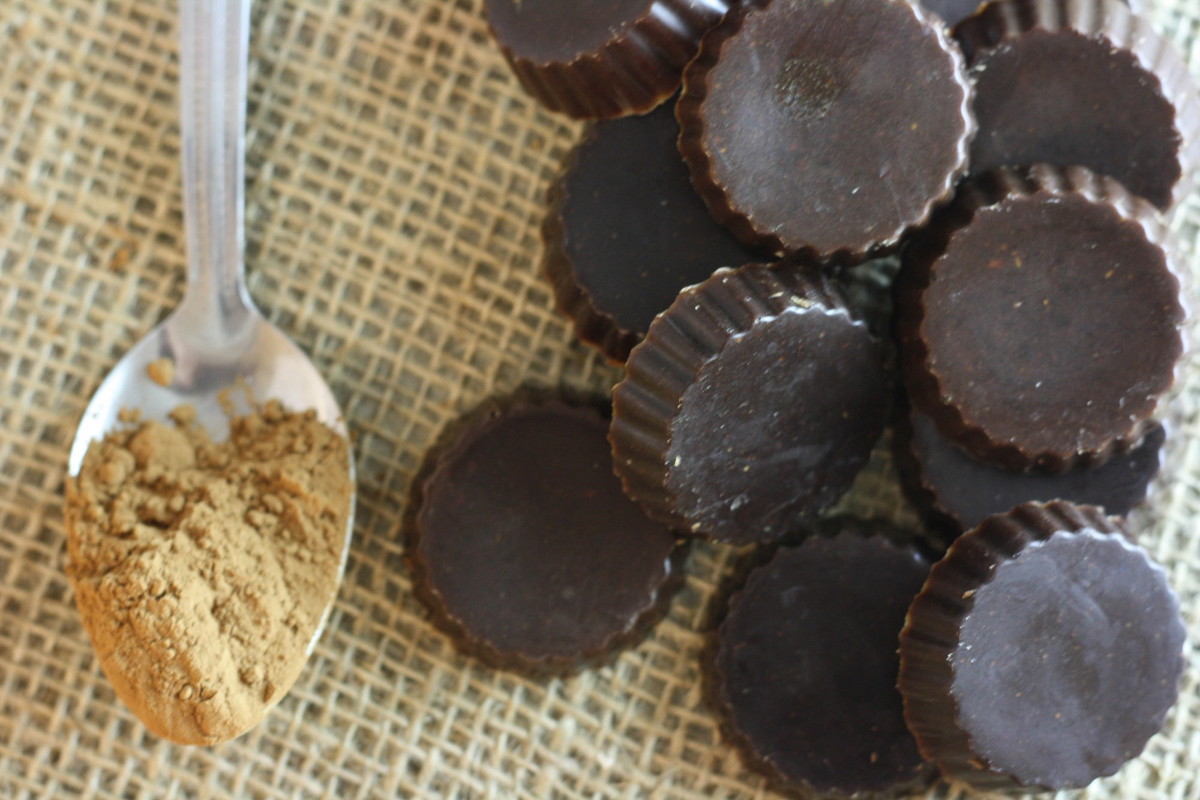
Carob is less known these days, but that doesn’t make it any less delicious. This ‘pseudo-chocolate’ is native to the eastern Mediterranean, where it has been grown for at least 4000 years. The carob plant was also popular with the ancient Greeks, who planted it throughout Greece and Italy.
Carob was hugely popular in the US as a “healthier” chocolate alternative in the 1970s. It was added to everything from cookies, to hot drinks, brownies, fudge, and frosting!
The thick carob pod is technically a legume, and measures 15-30 cm in length. It was once thought that carob pods were the "locusts" that were eaten by John the Baptist in the Wilderness, which led to it being called St. John's bread or locust bean. However, this is apparently not true at all: John actually ate migratory locust.
Carob pods are edible and made up of almost 40% sucrose, plus other sugars. They are also a source of protein, vitamin A, B vitamins, and several essential minerals. But only cows can eat them directly!
We humans are better off using the ground version, which serves as a cocoa substitute. Although it doesn’t taste quite like chocolate, it’s much healthier: carob contains only one-third the calories of chocolate and is almost fat-free.. It’s also non-allergenic and high in pectin, an important prebiotic.
Carob powder is usually made from the pods after the seeds have been removed. It contains both soluble and insoluble fiber, which makes it both a treat and a digestive supplement.
You can add carob powder to smoothies, milkshakes, or baked goods. It’s important to note that carob seeds contain a range of antinutrients, which makes carob powder a healthier option.
Carob is a better choice than cocoa for making chocolates if you are trying to reduce your caffeine.
Cocoa powder contains two stimulants - caffeine and theobromine. Carob has a distinctive flavor but is close enough to regular chocolate that your family won't care!
These chocolates are packed full of healthy ingredients, like honey, carob, almond butter and cacao butter. There's no reason why chocolates need to be unhealthy!
If you buy a store brand, it will likely contain a mountain of sugar and have an unreadable ingredients list full of preservatives and flavorings.
So why not make your own chocolates at home? It's easier than you think.