Why Do I Feel Bloated After Eating?
Why Do I Feel Bloated After Eating? Common Causes, Food Triggers, and What May Help
Feeling bloated after eating can be uncomfortable, frustrating, and sometimes even confusing. You finish a meal expecting to feel satisfied, but instead your stomach feels tight, swollen, or uncomfortably full. While occasional bloating after meals is common, understanding why it happens can help you make informed choices that support healthier digestion.
Bloating isn't a disease itself—it's a symptom that can have many different causes. Sometimes it's simply the result of eating too quickly or enjoying a larger meal than usual. In other cases, certain foods, digestive habits, constipation, or changes in your gut microbiome may contribute. Most episodes are temporary and improve on their own, but persistent or severe bloating deserves medical attention.
This guide explains the most common reasons you may feel bloated after eating, practical ways to support digestive comfort, and when it's appropriate to speak with a healthcare professional.
Key Takeaways
Occasional bloating after eating is common and often related to normal digestion.
Large meals, eating too quickly, and certain foods are among the most common contributors.
Your gut microbiome naturally produces gas during digestion, which can influence how bloated you feel.
Simple lifestyle changes may help support digestive comfort after meals.
Persistent, severe, or worsening bloating should be evaluated by a healthcare professional.
Table of Contents
What Does It Mean to Feel Bloated After Eating?
Common Causes of Bloating After Meals
Foods That May Contribute to Bloating
The Role of Your Gut Microbiome
Habits That May Make Bloating Worse
Ways to Support Healthy Digestion
When to See a Healthcare Professional
What Does It Mean to Feel Bloated After Eating?
Bloating is the sensation of increased pressure, fullness, or tightness in your abdomen. Some people notice their stomach actually appears larger, while others simply feel uncomfortable without visible swelling. Although the experience varies from person to person, bloating usually develops when gas, food, or fluid temporarily stretches the digestive tract.
It's important to distinguish normal fullness from bloating. Feeling comfortably full after a satisfying meal is expected. Bloating, on the other hand, often comes with discomfort, abdominal pressure, excessive gas, or the feeling that your stomach is "stretched."
Occasional bloating after eating is a normal part of digestion for many people. Your digestive system naturally breaks food down, moves it through the intestines, and produces gases along the way. The amount of gas produced—and how your body handles it—can vary considerably between individuals.
Why Do I Feel Bloated After Eating?
There isn't a single answer. Several factors can contribute to bloating after meals, and many people experience more than one at the same time.
Eating Too Quickly
One of the simplest explanations is also one of the most common. Eating quickly often causes you to swallow more air while also making it easier to overeat before your brain recognizes that you're full.
When meals are rushed:
More air is swallowed.
Food isn't chewed as thoroughly.
The stomach fills more rapidly.
Digestive discomfort may become more noticeable.
Slowing down, chewing food thoroughly, and putting utensils down between bites may help support more comfortable digestion.
Eating Large Meals
Your stomach is designed to expand after eating, but especially large meals naturally stretch the stomach more than smaller ones. This stretching can increase feelings of pressure and fullness while also slowing stomach emptying, making bloating feel more noticeable.
If you frequently experience bloating after dinner but not breakfast or lunch, meal size may be one contributing factor.
Gas Produced During Digestion
Gas production is a completely normal part of digestion. As beneficial bacteria in your large intestine break down certain carbohydrates and fibers, they naturally produce gases such as hydrogen, methane, and carbon dioxide.
Most of this gas is either absorbed, passed naturally, or eliminated without causing noticeable symptoms. However, some people are simply more sensitive to normal amounts of intestinal gas, making even routine digestion feel uncomfortable.
This doesn't necessarily indicate that something is wrong. Rather, it highlights how differently people experience normal digestive processes.
Foods That May Contribute to Bloating
Some foods are more likely than others to contribute to temporary bloating because of how they're digested or fermented by gut bacteria. Importantly, these foods are often nutritious and don't need to be avoided unless they consistently trigger symptoms for you.
Food Type
Why It May Contribute to Bloating
Beans and lentils
Contain fermentable carbohydrates that gut bacteria break down.
Broccoli, cabbage, cauliflower
Rich in fiber and sulfur-containing compounds that may increase gas production.
Onions and garlic
Contain fermentable carbohydrates that some people digest less comfortably.
Carbonated beverages
Introduce extra gas into the digestive tract.
Very salty foods
May contribute to temporary water retention.
High-fat meals
Can slow stomach emptying, increasing feelings of fullness.
Sugar alcohols
Found in many sugar-free foods and may increase gas in some individuals.
Everyone responds differently to food. A meal that causes bloating in one person may not affect someone else at all. Rather than eliminating entire food groups unnecessarily, it's often more helpful to identify your own consistent triggers.
Food Intolerances May Play a Role
Some individuals experience bloating because they have difficulty digesting certain foods. Lactose intolerance, for example, occurs when the body doesn't produce enough lactase enzyme to fully digest lactose, the natural sugar found in dairy products.
Other people may notice symptoms after consuming foods containing certain fermentable carbohydrates or other ingredients. Because many digestive conditions share similar symptoms, it's important not to self-diagnose based solely on bloating.
If bloating consistently occurs after eating specific foods, keeping a food and symptom journal can be useful information to discuss with a healthcare professional.
Constipation Can Increase Bloating
Constipation is another common contributor to bloating after meals. When stool moves more slowly through the digestive tract, gas may accumulate, increasing pressure and abdominal discomfort.
In addition to bloating, constipation may include:
Infrequent bowel movements
Hard stools
Difficulty passing stool
A feeling of incomplete emptying
Supporting regular bowel habits through adequate hydration, physical activity, and appropriate fiber intake may help promote overall digestive comfort.
Stress and the Gut-Brain Connection
Your digestive system and nervous system communicate constantly through what's often called the gut-brain axis. During periods of stress, many people notice changes in digestion, including increased bloating, stomach discomfort, or altered bowel habits.
Eating while distracted, rushing through meals, or regularly eating under stressful conditions may contribute to digestive discomfort for some individuals. Taking time to eat slowly and mindfully may help support normal digestive function.
What Role Does Your Gut Microbiome Play?
Your gut microbiome is made up of trillions of bacteria and other microorganisms that help digest food, produce beneficial compounds, and support normal digestive function. While many people think bacteria are harmful, a healthy gut contains a diverse community of beneficial microbes that play an important role in overall digestive wellness.
One of the microbiome's natural jobs is fermenting certain fibers and carbohydrates that your body cannot digest on its own. This fermentation process produces gases as a normal byproduct. In a balanced digestive system, these gases are usually passed or absorbed without causing significant discomfort. However, differences in gut bacteria, diet, and individual sensitivity can influence how much bloating someone experiences.
Diet has a significant influence on the gut microbiome. Eating a variety of fiber-rich fruits, vegetables, whole grains, legumes, and fermented foods can help support microbial diversity over time. Lifestyle factors such as sleep, physical activity, stress management, and appropriate antibiotic use also affect the balance of gut bacteria.
If you'd like to learn more about supporting a healthy microbiome, read our guides on 7 Simple Ways To Support Your Gut Flora Every Day and 16 Science-Based Health Benefits of Probiotics.
Habits That May Make Bloating Worse
In addition to the foods you eat, everyday habits can influence how your digestive system feels after meals.
Eating too quickly.
Drinking carbonated beverages with meals.
Chewing gum frequently.
Drinking through a straw.
Smoking or vaping.
Eating very large meals late in the evening.
Remaining seated for long periods immediately after eating.
Small changes to these habits may help reduce occasional bloating for some people. Even a short walk after eating may support normal digestion and help move gas through the digestive tract.
Practical Ways to Support Healthy Digestion
If you regularly experience bloating after meals, these simple strategies may help improve digestive comfort over time.
Slow Down During Meals
Taking your time while eating gives your digestive system a better opportunity to process food comfortably. Aim to chew thoroughly and avoid rushing through meals whenever possible.
Pay Attention to Portion Sizes
Very large meals naturally place more demand on the digestive system. Eating moderate portions more consistently throughout the day may feel more comfortable than consuming one or two oversized meals.
Stay Well Hydrated
Drinking enough water supports many aspects of normal digestion and may also help maintain regular bowel movements.
Stay Physically Active
Regular movement supports healthy digestion. Even light activity such as walking after meals may help reduce feelings of fullness for some individuals.
Identify Your Personal Food Triggers
Rather than eliminating many foods at once, consider keeping a simple food diary for a few weeks. Recording meals alongside symptoms may help identify patterns worth discussing with a healthcare professional.
Support a Healthy Gut Microbiome
A balanced diet rich in plant foods provides fiber that nourishes beneficial gut bacteria. Fermented foods such as yogurt, kefir, kimchi, and sauerkraut may also contribute to a diverse gut microbiome for some individuals.
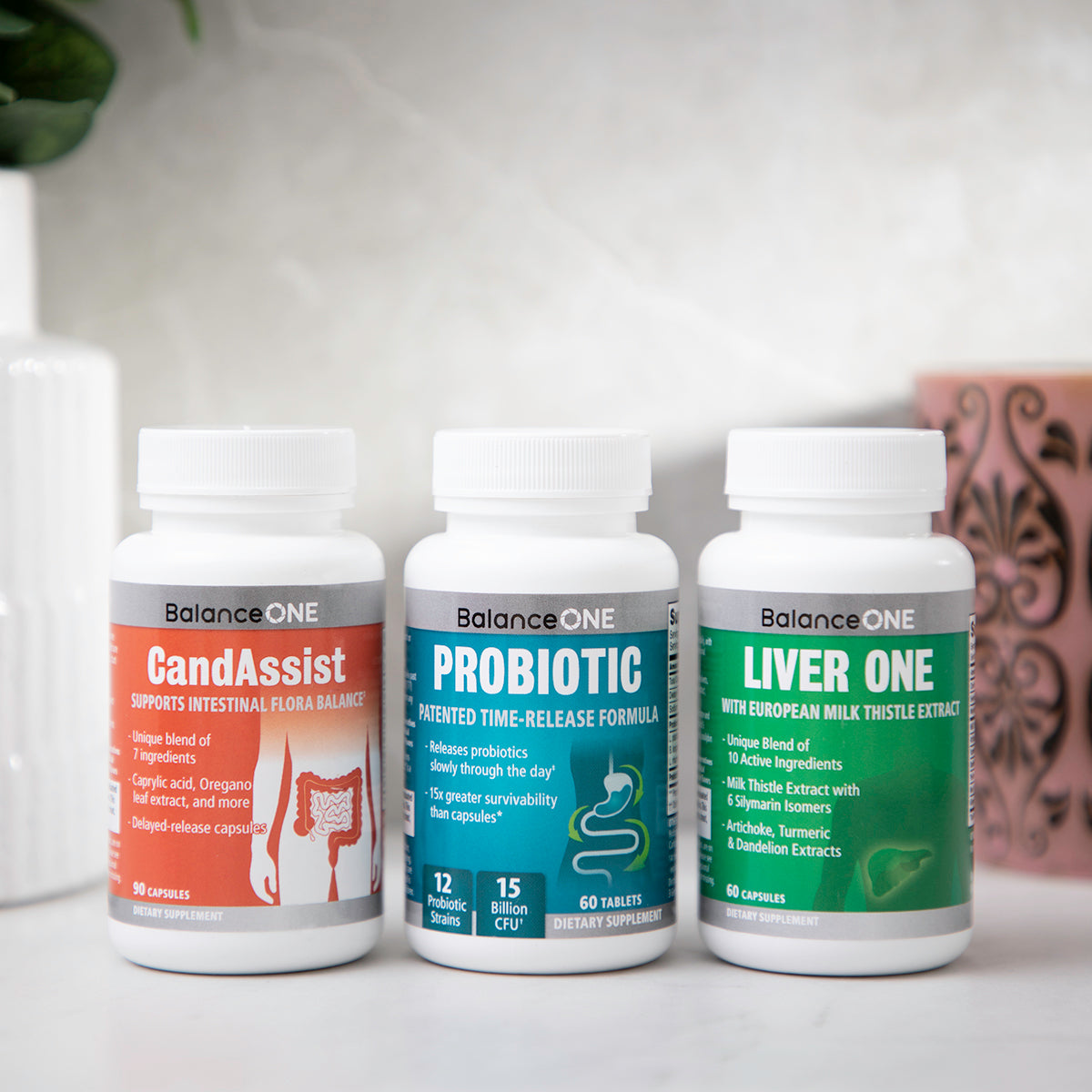
Some people also choose to include a probiotic supplement as part of their daily wellness routine. Balance ONE Probiotic is formulated with 12 probiotic strains in a time-release BIO-tract® tablet designed to support digestive balance, healthy gut flora, and everyday digestive wellness. Individual responses to probiotics vary, and supplements should be viewed as one part of an overall healthy lifestyle rather than a solution for digestive symptoms.
For individuals looking to support digestive comfort and gut lining integrity, RevivaGut combines ingredients including L-glutamine, zinc carnosine, DGL, slippery elm, marshmallow root, aloe vera, and N-acetyl-D-glucosamine as part of a comprehensive gut support formula. It is designed to support everyday digestive wellness and should not be viewed as a treatment for digestive conditions.
If bloating is one of your main concerns, you may also find our guide How to Get Rid of Belly Bloat helpful. If your discomfort occurs primarily after meals, our article Digestive Discomfort After Meals: Common Causes and What May Help provides additional practical guidance.
When Should You See a Healthcare Professional?
Although occasional bloating after eating is common, persistent or severe symptoms should not be ignored.
Seek medical evaluation if bloating is accompanied by:
Severe or persistent abdominal pain.
Blood in the stool.
Persistent vomiting.
Fever.
Difficulty swallowing.
Unexplained weight loss.
Symptoms that continue for several weeks or steadily worsen.
Speak with a healthcare professional if symptoms are severe, persistent, worsening, or if you are pregnant, nursing, taking medication, or managing a medical condition.
Bottom Line
Feeling bloated after eating is extremely common and usually reflects a combination of normal digestion, eating habits, food choices, and individual differences in the digestive system. While occasional bloating is rarely cause for concern, recurring symptoms are often a reminder to look at factors such as meal size, eating speed, hydration, physical activity, and overall dietary patterns.
Supporting a healthy gut microbiome through balanced nutrition, healthy lifestyle habits, and—when appropriate—a quality probiotic may contribute to overall digestive wellness. However, persistent bloating should always be evaluated by a healthcare professional to identify any underlying causes that may require medical attention.
Frequently Asked Questions
Why do I feel bloated after every meal?
Frequent bloating after meals can have several possible causes, including eating habits, constipation, certain foods, food intolerances, or other digestive conditions. If symptoms occur consistently or worsen over time, speak with a healthcare professional.
Is bloating after eating normal?
Yes. Occasional bloating is a common part of digestion because food breakdown and fermentation naturally produce gas. Many people experience mild bloating from time to time.
Which foods commonly cause bloating?
Beans, lentils, onions, garlic, cruciferous vegetables, carbonated beverages, sugar alcohols, and very large or high-fat meals commonly contribute to bloating in some individuals. Personal tolerance varies considerably.
Can probiotics help with bloating?
Research suggests certain probiotic strains may support digestive health in some individuals, but responses vary depending on the person and the probiotic used. Probiotics should not be considered a treatment for bloating or digestive diseases.
When is bloating considered serious?
Bloating that is severe, persistent, progressively worsening, or accompanied by symptoms such as weight loss, blood in the stool, fever, persistent vomiting, or severe abdominal pain should be evaluated promptly by a healthcare professional.
What Role Does Your Gut Microbiome Play?
Your gut microbiome is made up of trillions of bacteria and other microorganisms that help digest food, produce beneficial compounds, and support normal digestive function. While many people think bacteria are harmful, a healthy gut contains a diverse community of beneficial microbes that play an important role in overall digestive wellness.
One of the microbiome's natural jobs is fermenting certain fibers and carbohydrates that your body cannot digest on its own. This fermentation process produces gases as a normal byproduct. In a balanced digestive system, these gases are usually passed or absorbed without causing significant discomfort. However, differences in gut bacteria, diet, and individual sensitivity can influence how much bloating someone experiences.
Diet has a significant influence on the gut microbiome. Eating a variety of fiber-rich fruits, vegetables, whole grains, legumes, and fermented foods can help support microbial diversity over time. Lifestyle factors such as sleep, physical activity, stress management, and appropriate antibiotic use also affect the balance of gut bacteria.
If you'd like to learn more about supporting a healthy microbiome, read our guides on 7 Simple Ways To Support Your Gut Flora Every Day and 16 Science-Based Health Benefits of Probiotics.
Habits That May Make Bloating Worse
In addition to the foods you eat, everyday habits can influence how your digestive system feels after meals.
Eating too quickly.
Drinking carbonated beverages with meals.
Chewing gum frequently.
Drinking through a straw.
Smoking or vaping.
Eating very large meals late in the evening.
Remaining seated for long periods immediately after eating.
Small changes to these habits may help reduce occasional bloating for some people. Even a short walk after eating may support normal digestion and help move gas through the digestive tract.
Practical Ways to Support Healthy Digestion
If you regularly experience bloating after meals, these simple strategies may help improve digestive comfort over time.
Slow Down During Meals
Taking your time while eating gives your digestive system a better opportunity to process food comfortably. Aim to chew thoroughly and avoid rushing through meals whenever possible.
Pay Attention to Portion Sizes
Very large meals naturally place more demand on the digestive system. Eating moderate portions more consistently throughout the day may feel more comfortable than consuming one or two oversized meals.
Stay Well Hydrated
Drinking enough water supports many aspects of normal digestion and may also help maintain regular bowel movements.
Stay Physically Active
Regular movement supports healthy digestion. Even light activity such as walking after meals may help reduce feelings of fullness for some individuals.
Identify Your Personal Food Triggers
Rather than eliminating many foods at once, consider keeping a simple food diary for a few weeks. Recording meals alongside symptoms may help identify patterns worth discussing with a healthcare professional.
Support a Healthy Gut Microbiome
A balanced diet rich in plant foods provides fiber that nourishes beneficial gut bacteria. Fermented foods such as yogurt, kefir, kimchi, and sauerkraut may also contribute to a diverse gut microbiome for some individuals.
Some people also choose to include a probiotic supplement as part of their daily wellness routine. Balance ONE Probiotic is formulated with 12 probiotic strains in a time-release BIO-tract® tablet designed to support digestive balance, healthy gut flora, and everyday digestive wellness. Individual responses to probiotics vary, and supplements should be viewed as one part of an overall healthy lifestyle rather than a solution for digestive symptoms.
For individuals looking to support digestive comfort and gut lining integrity, RevivaGut combines ingredients including L-glutamine, zinc carnosine, DGL, slippery elm, marshmallow root, aloe vera, and N-acetyl-D-glucosamine as part of a comprehensive gut support formula. It is designed to support everyday digestive wellness and should not be viewed as a treatment for digestive conditions.
If bloating is one of your main concerns, you may also find our guide How to Get Rid of Belly Bloat helpful. If your discomfort occurs primarily after meals, our article Digestive Discomfort After Meals: Common Causes and What May Help provides additional practical guidance.
When Should You See a Healthcare Professional?
Although occasional bloating after eating is common, persistent or severe symptoms should not be ignored.
Seek medical evaluation if bloating is accompanied by:
Severe or persistent abdominal pain.
Blood in the stool.
Persistent vomiting.
Fever.
Difficulty swallowing.
Unexplained weight loss.
Symptoms that continue for several weeks or steadily worsen.
Speak with a healthcare professional if symptoms are severe, persistent, worsening, or if you are pregnant, nursing, taking medication, or managing a medical condition.
Bottom Line
Feeling bloated after eating is extremely common and usually reflects a combination of normal digestion, eating habits, food choices, and individual differences in the digestive system. While occasional bloating is rarely cause for concern, recurring symptoms are often a reminder to look at factors such as meal size, eating speed, hydration, physical activity, and overall dietary patterns.
Supporting a healthy gut microbiome through balanced nutrition, healthy lifestyle habits, and—when appropriate—a quality probiotic may contribute to overall digestive wellness. However, persistent bloating should always be evaluated by a healthcare professional to identify any underlying causes that may require medical attention.
Frequently Asked Questions
Why do I feel bloated after every meal?
Frequent bloating after meals can have several possible causes, including eating habits, constipation, certain foods, food intolerances, or other digestive conditions. If symptoms occur consistently or worsen over time, speak with a healthcare professional.
Is bloating after eating normal?
Yes. Occasional bloating is a common part of digestion because food breakdown and fermentation naturally produce gas. Many people experience mild bloating from time to time.
Which foods commonly cause bloating?
Beans, lentils, onions, garlic, cruciferous vegetables, carbonated beverages, sugar alcohols, and very large or high-fat meals commonly contribute to bloating in some individuals. Personal tolerance varies considerably.
Can probiotics help with bloating?
Research suggests certain probiotic strains may support digestive health in some individuals, but responses vary depending on the person and the probiotic used. Probiotics should not be considered a treatment for bloating or digestive diseases.
When is bloating considered serious?
Bloating that is severe, persistent, progressively worsening, or accompanied by symptoms such as weight loss, blood in the stool, fever, persistent vomiting, or severe abdominal pain should be evaluated promptly by a healthcare professional.
Read More