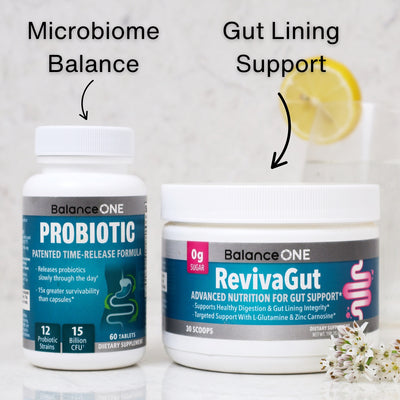
Your digestive tract does much more than break down food. It also serves as one of your body's most important protective barriers, helping regulate what passes from your intestines into your bloodstream while keeping potentially harmful substances where they belong.
This protective system, often called the gut lining or intestinal barrier, is constantly renewing itself. Every day, it depends on nutrients, healthy lifestyle habits, and a balanced gut microbiome to maintain its normal function. Factors like poor diet, chronic stress, lack of sleep, certain medications, and excessive alcohol intake may place additional strain on this natural barrier over time.
If you've been searching for ways to support your gut lining naturally, the good news is that many everyday habits can help maintain a healthy gut barrier. A nutritious diet, quality sleep, stress management, regular physical activity, and targeted nutrients all play important roles.
In this guide, we'll explain what the gut lining does, why it matters for overall digestive health, and what current research says about natural ways to support gut barrier integrity. We'll also look at several well-studied nutrients commonly included in gut health supplements.
Key Takeaways
- The gut lining acts as a protective barrier between your digestive tract and the rest of your body.
- Healthy eating, quality sleep, stress management, and regular exercise all contribute to gut barrier health.
- Nutrients such as L-glutamine and zinc play important roles in maintaining normal intestinal function.
- Supplements may complement healthy lifestyle habits but should not replace them.
- Persistent or worsening digestive symptoms should always be evaluated by a qualified healthcare professional.
Table of Contents
- What Is the Gut Lining?
- Why a Healthy Gut Barrier Matters
- Lifestyle Habits That Support Your Gut Lining
- Key Nutrients for Gut Barrier Support
- Supplement Ingredients Commonly Used for Gut Lining Support
- Building a Gut Health Routine
What Is the Gut Lining?
The gut lining is a highly specialized layer of cells that lines the inside of your digestive tract. Although it's only one cell thick in many places, it's remarkably effective at performing two seemingly opposite jobs at the same time.
First, it allows nutrients, water, vitamins, and minerals from your food to pass into your bloodstream. Second, it helps keep unwanted substances—including many bacteria, toxins, and undigested food particles—inside the digestive tract where they can be processed or eliminated.
This selective barrier is made up of several important components that work together:
- Specialized intestinal epithelial cells
- A protective mucus layer
- Tight junction proteins that connect neighboring cells
- Beneficial gut bacteria that interact with the intestinal surface
- Immune cells that help monitor activity within the digestive tract
Rather than being a static wall, the gut lining is constantly renewing itself. Intestinal cells naturally wear out and are replaced every few days, making adequate nutrition and healthy daily habits especially important for maintaining normal barrier function.
Why a Healthy Gut Barrier Matters
A healthy intestinal barrier supports many aspects of digestive wellness beyond simply absorbing nutrients.
One of its primary jobs is maintaining selective permeability. This means allowing beneficial substances into the body while limiting the passage of potentially unwanted materials. Researchers continue to study how normal gut barrier function influences digestion, nutrient absorption, immune activity, and interactions between the gut microbiome and the rest of the body.
Because approximately 70% of the body's immune cells are located within or around the digestive tract, maintaining a healthy gut environment is an important part of overall wellness.
If you'd like a more detailed explanation of intestinal permeability and the factors that may influence it, read our guide: What Is Leaky Gut? Symptoms, Diet, and Treatment.
Lifestyle Habits That Support Your Gut Lining Naturally
Although supplements often receive the most attention, the strongest foundation for gut health begins with everyday habits. Supporting your gut lining naturally means creating an environment where your digestive system can function normally over the long term.
Eat a Diverse, Nutrient-Rich Diet
The foods you eat provide the building blocks your intestinal cells need to continuously renew themselves. Eating a wide variety of minimally processed foods helps ensure your body receives adequate protein, vitamins, minerals, fiber, and beneficial plant compounds.
Many experts recommend emphasizing:
- Colorful vegetables and fruits
- Whole grains when tolerated
- Beans and legumes
- Nuts and seeds
- Lean sources of protein
- Healthy fats from foods such as olive oil and fatty fish
Dietary fiber deserves special attention because it nourishes many beneficial gut bacteria. These microbes produce short-chain fatty acids that help support a healthy intestinal environment and normal gut barrier function.
Prioritize Quality Sleep
Sleep affects nearly every system in the body, including digestion. During healthy sleep cycles, the body performs many routine maintenance and recovery processes that help support normal tissue function.
Poor sleep has also been associated with changes in the gut microbiome and may influence digestive comfort over time. While researchers continue studying these relationships, getting seven to nine hours of quality sleep each night remains one of the simplest ways to support overall health.
Manage Chronic Stress
The digestive system and brain communicate constantly through what researchers call the gut-brain axis. Because of this close relationship, prolonged stress can influence digestive function in several ways.
Many people notice changes in digestion during periods of ongoing stress. Although stress cannot always be eliminated, practices such as walking, mindfulness, yoga, breathing exercises, and regular physical activity may help support both digestive comfort and overall well-being.
Stay Physically Active
Regular movement supports healthy digestion in many ways. Moderate exercise has been associated with improved gut microbial diversity, healthy bowel function, and overall metabolic health.
You don't need intense workouts to benefit. Consistent activities such as brisk walking, cycling, swimming, or strength training several times each week can all contribute to a healthy lifestyle.
Limit Common Gut Stressors
Certain lifestyle factors may place additional demands on the digestive tract. While occasional indulgences are part of a balanced lifestyle, reducing unnecessary stressors may help support normal gut barrier function.
Examples include:
- Limiting excessive alcohol consumption
- Avoiding smoking
- Following medication directions carefully, particularly for NSAIDs such as ibuprofen, and discussing long-term use with your healthcare provider
- Choosing minimally processed foods more often than highly processed alternatives
Rather than focusing on a single "gut-healing" food or supplement, these everyday habits work together to create an environment that supports long-term digestive wellness.
Key Nutrients That May Support Gut Barrier Health
Nutrition provides many of the raw materials needed for normal intestinal function. While no single nutrient can replace an overall healthy lifestyle, several have been studied for their potential roles in maintaining gut lining integrity and digestive health.
| Nutrient | Potential Role | Common Food Sources |
|---|---|---|
| L-Glutamine | Provides fuel for rapidly dividing intestinal cells and supports normal gut lining function. | Chicken, beef, eggs, fish, dairy, legumes |
| Zinc | Supports normal tissue maintenance and immune function. | Seafood, meat, pumpkin seeds, legumes |
| Dietary Fiber | Supports beneficial gut bacteria that contribute to a healthy digestive environment. | Vegetables, fruits, oats, beans, whole grains |
| Omega-3 Fatty Acids | Help support a healthy inflammatory response. | Salmon, sardines, walnuts, flaxseed |
| Polyphenols | Support microbial diversity and overall gut health. | Berries, green tea, cocoa, olives |
Among these nutrients, two ingredients have received particularly strong attention in digestive health research: L-glutamine and zinc carnosine.
Supplement Ingredients Commonly Used for Gut Lining Support
Diet should always come first, but supplements may provide additional nutritional support when used alongside healthy lifestyle habits. Several ingredients have been investigated for their ability to support gut lining integrity and digestive comfort.
L-Glutamine
L-glutamine is one of the most widely studied nutrients for intestinal health. It is the most abundant amino acid in the body and serves as an important fuel source for rapidly dividing intestinal cells.
Researchers continue studying glutamine's role in supporting normal intestinal barrier function, particularly during times of increased physical or physiological stress. While ongoing research continues to expand our understanding, glutamine remains one of the most commonly included ingredients in gut lining support formulas.
If you'd like a deeper dive into the science, see our guide: L-Glutamine: The Essential Amino Acid for Optimal Gut Health.
Zinc Carnosine
Zinc is an essential mineral involved in hundreds of biological processes, including normal tissue maintenance and immune function. A specialized form known as zinc carnosine has been studied specifically for digestive health and is commonly included in gut support supplements.
Although research is ongoing, zinc carnosine is frequently used in formulas designed to support gut lining integrity and digestive comfort.
Learn more in our article: Benefits of Zinc Carnosine for Your Gut Health.
DGL Licorice
Deglycyrrhizinated licorice (DGL) is a modified form of licorice that has traditionally been used to support digestive comfort. Unlike whole licorice root, DGL has had most of the glycyrrhizin removed, making it more suitable for regular use.
Researchers continue to study DGL for its ability to support the stomach and intestinal lining. While more high-quality human studies are needed, it remains a popular ingredient in comprehensive gut support formulas.
Slippery Elm
Slippery elm bark has a long history of traditional use for digestive wellness. It contains naturally occurring mucilage, a gel-like substance that becomes slippery when mixed with water.
Although modern clinical evidence is still limited, slippery elm is commonly included in digestive support formulas because of its traditional use in promoting digestive comfort.